

The Science Behind Water Pressure Problems in Toronto Homes
Posted by Jason Genah on 09-09-2025

Water pressure issues can sneak up on you. One day, your shower is powerful and consistent. The next, it’s a slow, frustrating drizzle. In many Toronto homes, especially older ones, this isn’t a random hiccup,it’s a sign of deeper plumbing challenges. And while it’s tempting to brush off low water pressure as just an inconvenience, it can actually point to problems that could get worse if ignored.
In this blog, we’ll break down the real reasons why water pressure problems happen, what they mean, and how smart maintenance can keep your plumbing system running smoothly.
What Causes Water Pressure Problems in Toronto Homes?
Water pressure can be tricky to diagnose because several different issues might be at play,sometimes even more than one at once. Below, we explore some of the most common reasons why pressure problems show up in Toronto homes and what each one could mean for your plumbing system.
Aging Infrastructure and Municipal Supply
Toronto’s older neighbourhoods are full of charm, but that character often comes with aging water infrastructure. In many cases, the city supply lines feeding your home are decades old. Over time, these pipes can corrode, joints loosen, and minerals build up inside, all of which make it harder for water to move through.
What does that mean for you? More resistance, less flow. When water has to fight its way through constricted or degraded pipes, pressure drops before it even reaches your front door. If you’re noticing weak flow at multiple fixtures, it could be a sign that the issue starts outside your home.
Pipe Blockages and Buildup
Inside your home, buildup from hard water is a common culprit. Toronto’s water tends to have high mineral content, which means calcium and magnesium can collect inside your plumbing. This narrows the space water has to travel, especially in older metal pipes, and creates friction and turbulence that slows everything down.
The science is pretty straightforward: rough, narrow pipes disrupt flow. When minerals accumulate, your system has to work harder to push water through, and you end up with lower pressure at the tap. If some fixtures work better than others, this might be the issue.
Faulty Pressure Regulators
If your home has a pressure-reducing valve (PRV), it’s there to make sure your water pressure stays within a safe range. It uses internal springs and diaphragms to manage flow, but those parts wear out over time. When that happens, the valve might restrict pressure too much or allow wild swings.
A faulty PRV can make it seem like you have a bigger plumbing issue, when really it’s just one part not doing its job. If your water pressure is inconsistent or suddenly weaker than usual, it’s worth having this component inspected during a plumbing check-up.
Hidden Leaks and Plumbing Damage
Leaks don’t have to be dramatic to cause problems. Even a small pinhole in a pipe can pull pressure away from your fixtures. From a system-wide perspective, it’s like water is escaping before it gets where it’s supposed to go.
This can make your home feel like it’s short on water, even though the supply is fine. You might notice longer fill times for toilets, weak showerheads, or strange pressure drops at certain times. Catching these hidden leaks early through professional inspection helps protect your plumbing and your water bill.
Simultaneous Water Use and Demand Surges
Ever notice your shower pressure tank when someone runs the dishwasher or flushes a toilet? That’s your plumbing trying to do too much at once. Water pressure drops naturally when demand exceeds what the system can supply.
Older or smaller-diameter pipes make this worse. If your plumbing wasn’t designed for multiple modern appliances running together, you’ll feel it. Spread out water use when possible, and talk to a plumber if pressure drops are becoming routine. It might be time to assess whether your system is up to the task of daily life in a busy household.
The Role of Plumbing Maintenance
Low water pressure isn’t always a plumbing emergency, but it’s rarely something that resolves on its own. Often, it’s your plumbing system’s way of saying it needs a little attention. Regular maintenance not only helps you avoid unpleasant surprises, it also improves long-term performance.
During a plumbing inspection, a licensed professional can:
- Test your flow rate and pinpoint pressure loss
- Check for hidden leaks that reduce system efficiency
- Inspect and calibrate pressure regulators
- Look for signs of scale buildup or pipe corrosion
Each of these steps is backed by real-world plumbing science. For instance, identifying early corrosion helps maintain smoother pipe surfaces, which directly improves water flow. And catching a failing regulator means your system continues delivering steady pressure across all fixtures.
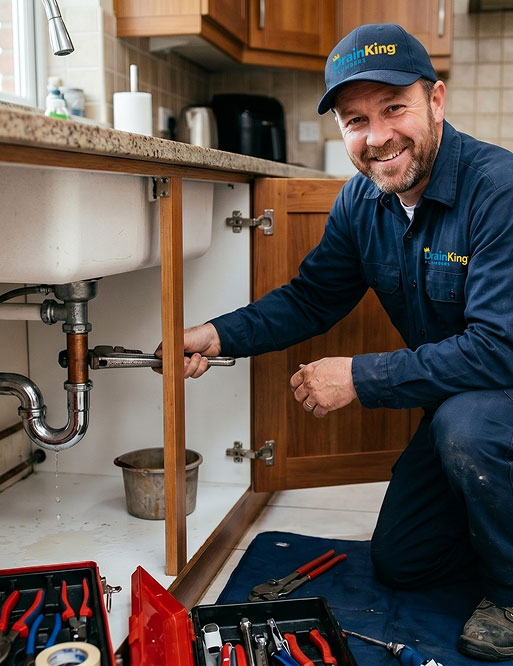
At Drain King Plumbers, our team knows where to look and what to look for. Our plumbing inspections are designed to spot these pressure problems before they escalate. We help Toronto homeowners get ahead of the issues and keep their systems in peak condition year-round.
Solving Water Pressure Problems with Professional Help
If your water pressure isn’t what it used to be, there’s usually a reason,and it’s often one that can be fixed with the right know-how. Whether it’s clogged pipes, a faulty regulator, or signs of wear in your plumbing system, getting ahead of the problem can save you from bigger headaches down the line.
That’s where we come in. At Drain King Plumbers, we specialize in helping Toronto homeowners tackle persistent pressure issues before they become costly repairs. Our comprehensive plumbing inspection services are designed to catch these problems early, restore balance to your system, and keep everything flowing like it should.
Give us a call at 1-833-983-5663 or click here to book your inspection today.