

7 Simple Ways to Extend the Lifespan of Your Water Heater
Posted by Jason Genah on 13-10-2026
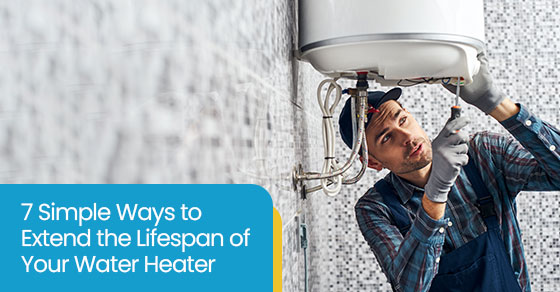
Your water heater works in the background every day, so it’s easy to ignore until the hot water runs out or a leak appears. Regular attention can help you notice changes earlier, reduce unnecessary wear, and support a longer water heater lifespan.
Some upkeep is as simple as watching for leaks or changes in performance. Other tasks involve hot water, pressure, electrical components, or gas equipment and are better left to a qualified professional. Knowing the difference is an important part of caring for the system safely.
Water Heater Maintenance Tips to Help Your System Last Longer
Consistent water heater maintenance can help you stay aware of your system’s condition throughout its service life. These practices won’t guarantee a certain lifespan or prevent every repair, but they can make developing problems harder to overlook.
1. Check Your Water Heater Regularly for Leaks
Take an occasional look around the base of the water heater and the visible plumbing nearby. Moisture, dripping, or pooling water deserves attention, especially if it wasn’t there before.
A leak can have several possible causes, so spotting water doesn’t necessarily tell you which component is responsible. If you notice moisture or can’t identify where it’s coming from, have the system professionally assessed rather than waiting for the problem to worsen.
2. Have the Tank Flushed When Appropriate
Sediment can settle inside tank-style water heaters over time. Health Canada recommends periodically draining and flushing a water heater according to the manufacturer’s directions to reduce settled particles.
How and when that should be done depends on the equipment, local water conditions, and manufacturer guidance. Because draining a water heater involves hot water and system controls, homeowners who aren’t comfortable with the procedure should leave it to a qualified plumber rather than improvising from a generic online tutorial.
3. Have the Anode Rod Inspected
Many tank-style water heaters contain an anode rod designed to help protect the tank from corrosion. As the rod deteriorates over time, its condition can become relevant to ongoing maintenance.
Not every water heater uses the same components or inspection schedule. Accessing the rod can also involve technical work, so follow the manufacturer’s guidance and arrange professional inspection when needed rather than assuming every tank should be serviced in exactly the same way.
4. Keep the Temperature at an Appropriate Setting
Water temperature involves both system operation and household safety, which makes casual adjustments a bad place for guesswork.
Health Canada recommends maintaining a hot water tank at a minimum of 60°C to help limit Legionella growth. Because water at that temperature can cause scalding, it also recommends mixing or anti-scald valves that limit hot water at fixtures to 49°C.
Your equipment and plumbing configuration still matter. If you’re unsure how your system is set up or whether an adjustment is appropriate, consult the manufacturer’s instructions or a qualified professional.
5. Pay Attention to Changes in Hot Water Performance
Maintenance also means noticing when the water heater stops behaving normally.
Reduced hot water, inconsistent temperatures, unusual sounds, or other changes in operation can provide a reason to have the unit checked before you lose hot water altogether. These symptoms can have different causes, so they shouldn’t be used to diagnose a specific part without an inspection.
6. Schedule Professional Water Heater Maintenance
Basic observations between service visits are useful, but they don’t replace technical inspection.
Professional water heater maintenance can take the unit’s type, installation, condition, and manufacturer requirements into account. A plumber can assess what maintenance is appropriate and identify visible concerns that deserve further attention.
At Drain King Plumbers, we provide water heater services as part of our residential plumbing work throughout Toronto and the GTA. The goal of professional maintenance isn’t to promise that a unit will never fail. It’s to make maintenance decisions based on the actual equipment in your home.
7. Address Small Problems Before They Become Larger Repairs
A water heater can still produce hot water while showing signs that something needs attention. Recurring leaks, unusual operation, or declining performance shouldn’t be dismissed simply because the unit continues to work.
Timely evaluation can help determine whether the situation calls for maintenance, repair, or a broader discussion about the system’s condition. Recognizing a warning sign is useful. Taking apart plumbing, electrical, gas, or pressurized components without the necessary knowledge is another matter entirely.
How Long Can a Water Heater Last?
There isn’t one water heater lifespan that applies to every household or every type of equipment. Longevity can be influenced by the type and quality of the unit, installation, household hot-water demand, water conditions, maintenance history, and the condition of individual components.
Age is therefore most useful when considered alongside performance and physical condition. An older unit that is operating normally presents a different situation from one with recurring leaks or declining hot-water performance.
Keeping records of maintenance and repairs can also give you useful context when deciding whether continued service makes sense as the equipment ages.
When Maintenance May Not Be Enough
Hot water heater maintenance is preventive care, not a way to keep every unit operating indefinitely.
Persistent leaks, recurring problems, visible deterioration, or continuing performance issues may justify a more thorough assessment. At that point, a plumber can help determine what the problem is and whether maintenance, repair, or replacement warrants consideration.
The answer shouldn’t be based on age alone. The condition of the unit, the nature of the problem, and what would be required to keep it operating all matter.
Make Water Heater Maintenance Part of Your Home-Care Routine
Regular water heater maintenance, attention to changes in performance, and timely professional assessment can help you care for the equipment throughout its useful life. If your system needs attention, Drain King Plumbers provides residential plumbing and water heater support as part of our plumbing services for Toronto and the GTA.
Reach out to Drain King Plumbers today at 1-416-661-5464, email us at info@drainkingplumbers.ca orclick here to get in touch online.
Frequently Asked Questions
How Often Should You Schedule Water Heater Maintenance?
There isn’t one schedule that applies to every system. Maintenance needs can vary based on the water heater, manufacturer recommendations, water conditions, usage, and equipment condition.
Check the documentation for your particular unit and ask a qualified plumber if you’re unsure what maintenance schedule makes sense.
Does Regular Maintenance Make a Water Heater Last Longer?
Proper maintenance can support the condition of a water heater and help identify developing problems, but it can’t guarantee how long the equipment will last.
Installation, usage, water conditions, equipment quality, and component wear can all affect longevity. Maintenance is one part of caring for the system rather than a promise of a particular lifespan.
What Are Signs That a Water Heater Needs Maintenance?
Visible leaks, unusual sounds, inconsistent water temperature, or a noticeable change in the amount of hot water available can all justify closer attention.
Because similar symptoms may have different causes, persistent changes are better evaluated professionally than diagnosed from the symptom alone.
Can You Perform Water Heater Maintenance Yourself?
Homeowners can visually monitor their water heater and complete manufacturer-approved homeowner care they’re comfortable performing. Tasks involving draining hot water, opening equipment, electrical components, gas systems, pressure controls, or technical diagnosis can create safety risks and may require professional service.
Follow the manufacturer’s instructions for your equipment and contact a qualified plumber when the work goes beyond basic observation and approved homeowner maintenance.